Thursday, 13 December 2012

Screenplay Research

  1.  “Responsive, proactive and an open door to writers, BBC writersoom is always looking at new ways to find and champion talent for all BBC platforms.” 
  2. “We believe in finding ways to inspire and inform you, to keep you across changes, giving you access to commissioners and production departments but most importantly to the skills and and experience of established writers.”
  3. Big Dramas tend to be on at 9pm and there is an obvious competition between ITV and BBC as they both have dramas on at the same time. Other dramas on before 9pm would be soaps for example, Eastenders and Coronation Street. 
  4. http://www.bbc.co.uk/programmes/b006m86d/features/script-peeks
  5. http://www.barb.co.uk/viewing/weekly-top-10? As you can see Dramas tend to dominate the viewing tables.
  6. Luther is about a crooked police officer who seems to find himself in a lot of bother with both the police he works for and the crooks he’s after because of his unorthodox methods. “John Luther is a Detective Chief Inspector working for the Serious Crime Unit in season one, and the new Serious and Serial Crime Unit in season two. A dedicated police officer, Luther is also a genius. He is obsessive, possessed, and sometimes dangerous in the violence of his fixations. But Luther has paid a heavy price for his dedication; he has never been able to prevent himself from being consumed by the darkness of the crimes with which he deals. For Luther, the job always comes first. His dedication is a curse and a blessing, both for him and those close to him.” – Wikipedia.
  7. The protagonist character in this is detective chief inspector Luther and an interesting point about him is that he’s black and in England you don’t tend to have black protagonist characters. 
  8. The main themes for Luther would be morals, ethics and corruption.


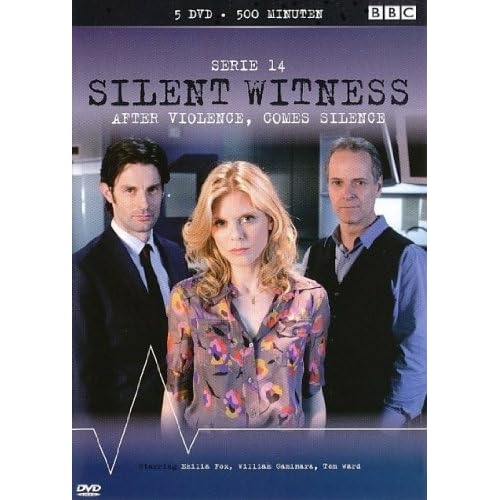
Silent Witness 
  1. The opening scene shows two young black lovers talking about taking the relationship to the next level which resulted in them getting engaged. After this the lady (Helen Roach) spotted her fiancee (Ainsley Modest) sister Simone Campbell. Whilst Helen and Simone are catching up a gang is shown in slow motion shooting out of the windows of a blacked out car towards the club. Innocent bystanders were then shown being shot up.
  2.  Ainsly Modest, Helen Roach, Simone Campbell and the two door men were the characters most concentrated on during the opening scene. 
  3. I believe that the primary audience for this type of drama would be middle aged (35-45) folk. This is because i think the values from this programme would be more relatable for them. Also the 9pm start time suits that age range more so than others. 
  4. The secondary audience would have to be 45 + as the age range and genre fit the stereotypical programme that you could imagine the 45 + age range watching. 
  5. One thing i could take from this episode would be the way they kept the audience guessing from the off until the end. I feel they done this successfully whilst also building tension up as the climax came closer. 
  6. There were many aspects of this programme i would keep away from whilst planning mine but the main one would be the way they had in my opinion too many different story lines going on at once so it became more and more confusing as it the episode developed more and more side stories.
Sherlock
'A scandal in Belgravia'
  1. The opening scene showed a chunk of the previous episode showing how Sherlock and Dr Watson got out of their previous debacle. After this the show then introduced the character Irene Adler in her place of work doing what she done best.
  2. Dr John Watson, Sherlock Holmes, Jim Moriaty and Irene Adler.
  3. The primary audience for Sherlock would be between the ages of 18-35.
  4. The secondary audience for Sherlock would be 35+ as i feel Sherlock does well in advertising to all ages.
  5. I liked the use of red herrings and also the dramatic twists kept the episode interesting.
  6. One criticism of Sherlock would be there is maybe too many twists which could leave some viewers confused and that might lose their interest.


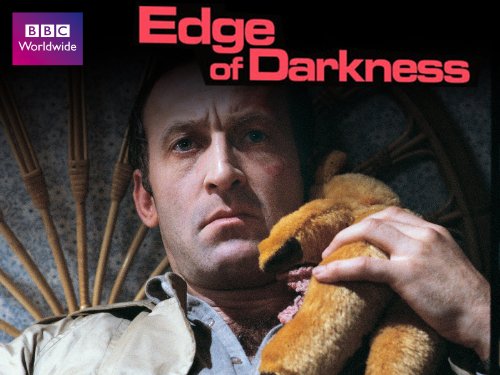
Edge of Darkness
'Compassionate Leave'

  1. The opening scene shows Godbolt and Craven speaking in a community centre type place about postponing Cravens detective enquiry.
  2. James Godbolt and Ronald Craven.
  3. The primary audience for this programme for me would be between 30-50 year olds
  4. The secondary audience for Edge of Darkness would be 50+ as i feel this appeals more to the older viewer.
  5. One thing I do find good about this episode of Edge of Darkness would be its portrayal of emotion and mental welfare after someone has lost a close member of their family.
  6. I didn't like how the creators of Edge of Darkness seemed to make the episodes more long winded than they need to be.

Eastenders

  1. The opening scene showed Alfie holding and talking to his son. In the upstairs section of the vic.
  2. Alfie Moon and his son.
  3. Eastenders primary audience would be between 35-60 in my opinion.
  4. The secondary audience would be between the ages of 18-35.
  5. I like the use of cliffhangers used in Eastenders as it keeps the viewer guessing on whats going to happen.
  6. I dislike the repetitive nature of Eastenders as it can become more and more tedious.


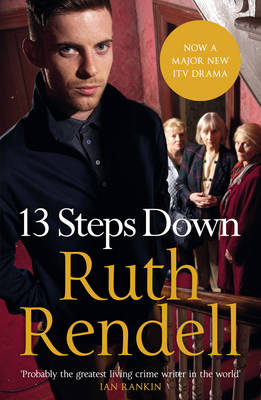
    13 Steps Down
     
     
  1. The opening scene shows Mix Cellini in his work uniform now arriving back home after seemingly just been at work. It also introduces his landlord, Gwendoline Chawcer as she speaks to him once he walks through the door.
  2. Mix Cellini and Gwendoline Chawcer.
  3. The primary audience for this programme would be around 25-60.
  4. The secondary audience would be 18-25 as i feel the programme could attract a broad audience.
  5. I really liked how the programme built up tension and suspense throughout. The acting was also really good.
  6. The only criticism i could think for this programme would be that the ending wasn't as great as it could've been.
  7.  

Monday, 3 December 2012

Understand the Requirements of Working to a Brief


There are various different situations in which you could be faced with a brief. Examples of a few a types of briefs would be contractual, negotiated, formal, informal, commission, tender, cooperative brief and competition. 

Contractual briefs come about when you go to a company with an idea and they like the idea however have some points that they believe would improve the programme so they put all them points in a contract and if you agree to the terms then you’ll sign the contract. An example of this would be Sherlock; the writers of the new Sherlock went to BBC with their idea and the BBC liked it however had some aspects they thought could be improved so they set up a compromise within the contract. 

Negotiated however is when the company and the potential employee work together in order to come up with an idea. When the two parties have come to an agreement they have to mutually sign a contract. 

Formal is when you meet the employer face to face and the employers set you objectives and targets they feel you should work towards. An example of this would be the Apprentice as Alan Sugar sets the contestant’s different targets and objectives each week in order to separate the weak from the chaff. Informal is the total opposite as the meeting could take place through emails or over the phone instead of a face to face meeting.

 A tender is when a company sends a post or email to several different participants with the chance for them to send their idea in and see how it stands against various other entries. The company would then pick the best quality entry which is also the most suitable for what they are looking for. An example of a competition of this sort would be when Paranormal Activity asked viewers to send in their best horror shot film and the reward was that the best few would be shown in the special features on the DVD. (PA Competition) A commission is when a media organisation reaches out to someone to create a piece of work for them. This would then be put down in to a contract.  
In the brief provided by E4 there were a few things which were required to ensure your video was suitable. The main requirements were, had to be submitted before the 9th November 2012, 10 second length, had to be E4 suitable. What I mean by E4 suitable is that it had to be clean and family friendly (no swearing or sexual content etc) in order for them to be able to show the esting throughout the day. Also it had to stick to the guidelines set by OFCOM and BCAP whilst also making sure they stick within Channel 4's remit. It was also aforementioned that you could have up to 3 entries however they’d prefer it if you submitted one high quality esting.


Throughout this project I have had good communication with my tutor which has meant that consultation has never been a problem. All the way through my tutor has been present to consult with me if I encountered any problems or setbacks. The E4 brief we were given was both vague and strict as the time limit and deadlines were very strict however they gave us plenty of time and plenty of room for creativity as all they wrote was make sure its suitable for the channel so within that is a lot of room for you to put your own spin on things. The main constraints we came across when producing the esting was the obvious ones, for example, we couldn't be racist nor could we show displays of graphic violence, drug taking or overly sexual content. If you was to do so and your esting was to be shown on TV then regulators such as, OFCOM would have a duty to take the esting off. So it's best to make sure E4 won't come across any problems with regulators because of your esting. 

After we had completed our project we then had to publish our finished estings on Facebook, Twitter, YouTube and also we sent emails with it attached. We then sent questionnaires to go alongside it so we could get honest feedback from all corners. Once we had received all of the feedback we then read through it all and focused on the problems which had propped up regularly on the feedback. From my feedback I found that people liked the ending so I decided to re shoot it whilst also prolonging it. 

During my esting project I didn't ever need to amend my budget or fees however in the real industry you may have to change the budget once you realise the full extent of the costs. Most of the time companies have a 10% buffer to help cover any costs not budgeted for or any extensions to deadlines. This is because when a project overruns it costs the production more money as you'll have to keep the sets up longer which will cost and also the cast and crew will need extra payment for working more than they first agreed in their contract. 

Changes to a project (that are suggested by the client) could result in contract changes or even new contracts. This could mean more money for the producer of the content. I did however have to amend my time at one point whilst editing as I had a computer failure so I had to start the editing all over again on a different PC which meant I had to overrun the deadline slightly. If I was in the industry and missed the deadline it would have consequences and my contractor could cut the pay I was expecting to receive because of it.


This project taught me a lot about my own animation skills, for example, I have found out that clay animation isn't really for me as I don't seem to have the patience or the skill with the clay which is required to be a successful clay animator like Nick Park. This has helped me realise that this is one media area that isn't for me and that'll be helpful in the long run when I am making my final decision on what I want to do in the media industry.

During this period I have learnt different animation skills which will help me in the long run because I will have this skill 'in my locker' if called upon. These skills include understanding frame rates, animating in pairs, building clay models, keeping the clay models warm and also improved my editing learning how to colour correct work successfully  I have had to multi skill whilst making my esting as I had to take pictures of my sting whilst also moving my background about a little bit to keep the video consistent and smooth. So I had one hand on the camera and the other switching different parts around. 

E4 gave us room for creativity and I used this by making mine individual by having a super hero type character in a funky 70s disco having a dance. My character also represented the black race with his brown complexion. To summarise, I feel I have completed all the important points in this project brief as I kept it 10 seconds whilst also making it very suitable for the channel. Although I had a few blips I feel that overall my esting was a success.